Commercial security systems are vital in protecting businesses from the growing range of modern threats. These threats include everything from break-ins and vandalism to more sophisticated cyber-attacks and internal risks. In response, security systems have evolved to incorporate a variety of technologies designed to keep businesses secure around the clock. A comprehensive commercial security system often combines physical measures like surveillance cameras, alarms, and access control systems with digital solutions such as cybersecurity protocols and smart monitoring tools. Surveillance cameras are a fundamental component of any modern security system. Strategically placed throughout a property, these cameras offer real-time monitoring and provide valuable evidence in the event of an incident. High-definition cameras, motion detection, and night-vision capabilities ensure that surveillance is effective at all times of day, regardless of lighting conditions.
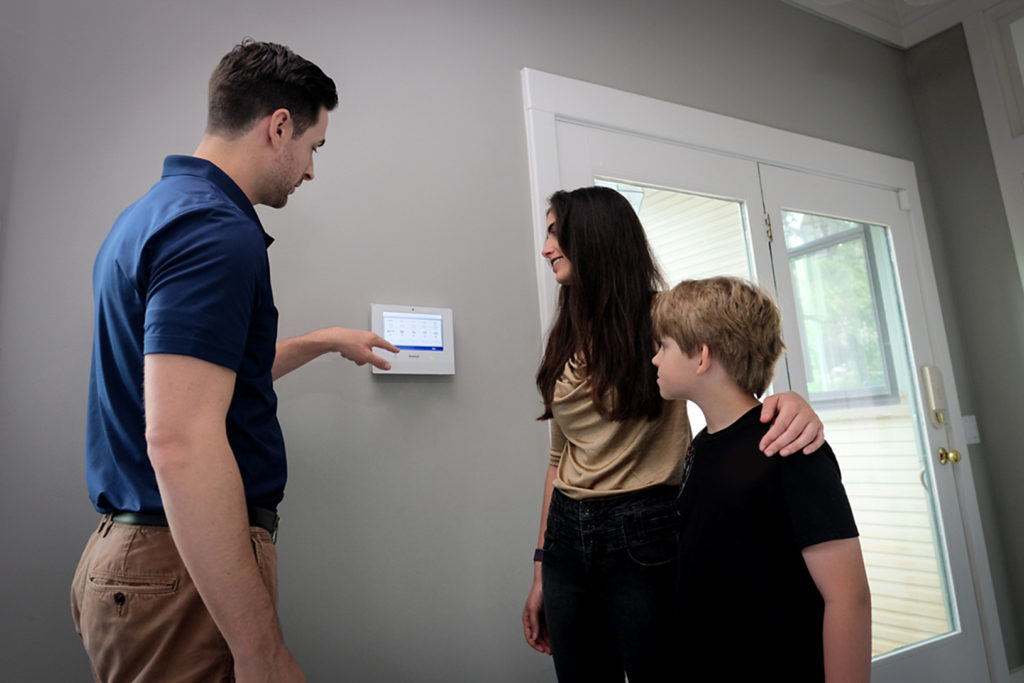
Alarm systems are another crucial element, serving as a deterrent to potential criminals while alerting authorities in case of an intrusion. These systems can be integrated with other technologies, such as motion detectors and glass-break sensors, to offer enhanced coverage. When triggered, alarms not only notify security personnel but also can send alerts to local law enforcement, minimizing response time and improving the likelihood of preventing or mitigating loss or damage. Access control systems are designed to regulate who can enter specific areas of a business, enhancing both physical and data security. These systems allow companies to assign individual access privileges based on employee roles, ensuring that only authorized personnel can access sensitive areas. Biometric access controls, such as fingerprint or facial recognition, are increasingly popular, providing an added layer of security by making it harder for unauthorized individuals to gain access. Cybersecurity has become an essential part of commercial security systems due to the rise in digital threats.
Furthermore, the rise of smart security technologies has given businesses more control and insight into their security systems and see here https://findthehomepros.com/top-5-commercial-security-systems-for-businesses-a-side-by-side-comparison/. IoT Internet of Things devices can be connected to security systems, allowing for real-time monitoring and data analysis. Sensors that track temperature, humidity, or even air quality can help businesses detect potential threats, such as fires or environmental hazards, before they escalate into serious problems. In addition to these technologies, security systems also include employee training and procedures designed to mitigate internal threats. Employees are often the first line of defense against fraud, theft, or breaches. By educating staff on best practices for securing sensitive information and recognizing potential threats, businesses can create a culture of security awareness. In conclusion, commercial security systems offer a multi-layered defense against a wide array of threats, combining physical and digital solutions to ensure that businesses remain safe, secure, and resilient in an increasingly complex threat landscape.