Granite countertops have become a popular choice for homeowners and designers alike due to their unique combination of durability, style, and relatively easy maintenance. Known for their strength and resilience, granite countertops can withstand high temperatures, making them an ideal choice for kitchens where hot pots and pans are commonly used. They are also resistant to scratches, chipping, and general wear and tear, making them a long-lasting investment for your home. One of the standout features of granite is its natural beauty. Each granite slab is unique, with a wide variety of colors, textures, and patterns that can complement any style of decor. From bold, dramatic veins to subtle, speckled textures, granite provides a sophisticated aesthetic that can elevate the look of your kitchen or bathroom. Whether you are going for a contemporary, traditional, or rustic look, there is a granite option that can match your vision. Despite its reputation for being tough, granite does require some care to maintain its appearance over time.
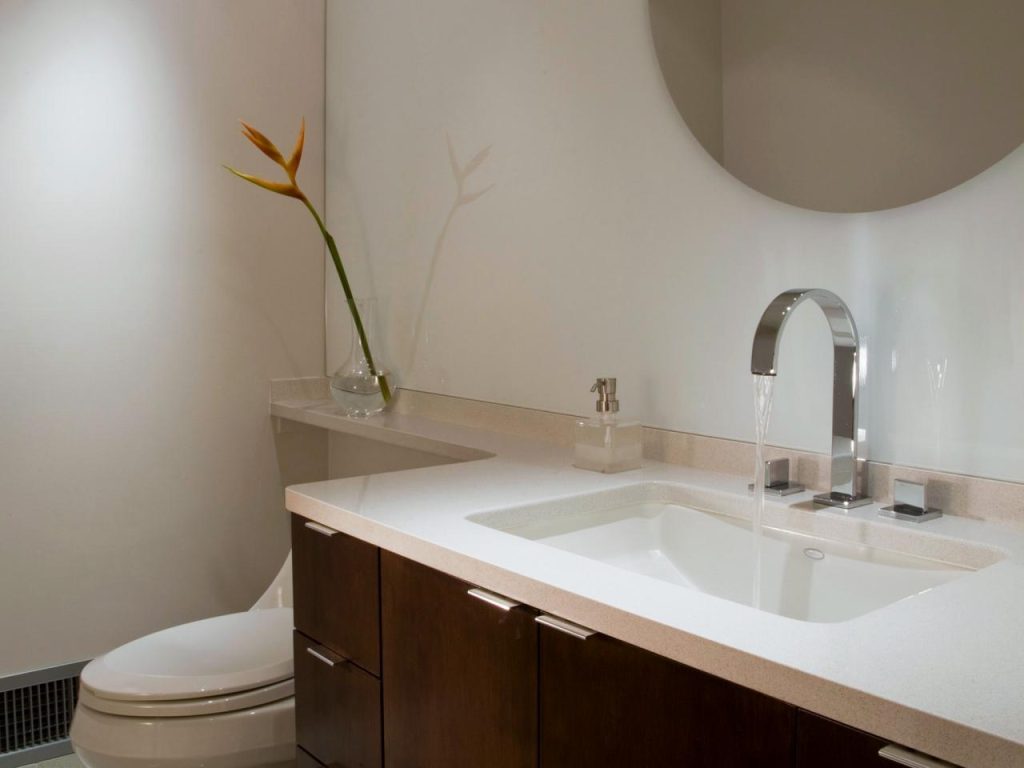
This can lead to staining from oils, wines, or other substances. Thankfully, sealing your granite countertops regularly usually once a year can help prevent this issue. Additionally, while granite is heat-resistant, it is advisable not to place hot cookware directly on the surface to avoid potential damage. Cleaning granite countertops is fairly simple, requiring only mild soap and water for routine maintenance. Avoid using harsh chemicals or abrasive pads, as these can damage the surface and dull the stone’s natural shine. To keep your countertops looking fresh, it is also important to wipe up spills quickly, particularly acidic liquids like vinegar or citrus, which could eventually wear away the sealant if left unattended. Granite countertops are a solid investment in terms of both functionality and style. The durability and aesthetic appeal they provide can enhance the value of your home. While the upfront cost may be higher compared to other materials, the long-term benefits such as low maintenance and a timeless look make it a worthwhile choice for many homeowners.
One of the key techniques in shaping granite is polishing. This involves progressively grinding the stone’s surface using finer and finer abrasives until it achieves a desired sheen ranging from a honed matte look to a mirror-like finish. Polishing not only enhances the stone’s aesthetic but also improves its resistance to moisture and staining. Another widely used method is thermal flaming, where high heat is applied to the granite’s surface followed by rapid cooling, creating a rough, slip-resistant texture. This technique is especially popular for outdoor paving or surfaces that require traction. When crafting edges or carving ornamental features, artisans employ a combination of routers, grinders, and hand tools to achieve profiles such as beveled, bullnose, or ogee edges and visit https://www.nestapple.com/granite-care-101-adhesives-polishing-and-maintaining-your-investment/. The finishing touches often involve sealing the stone with specialized products to protect it from stains, preserve its color, and make cleaning easier. Throughout every stage, attention to detail is paramount, as granite’s natural grain and mineral composition can affect how it responds to tools, with some areas being more brittle or prone to chipping.