Choosing the right bed size is an important step toward creating a comfortable and relaxing bedroom. A well-sized bed provides enough room to stretch, change sleeping positions, and enjoy peaceful nights. By considering personal preferences, available space, and everyday routines, it becomes easier to create a bedroom that feels welcoming, balanced, and functional.
Understand Your Sleeping Needs
Every individual has different sleeping habits and comfort preferences. The ideal bed size should support natural movement while providing sufficient personal space.
- Single beds: Suitable for individual sleepers who prefer a compact and practical arrangement.
- Twin beds: Offer convenient sleeping space for children, teenagers, and individual adults.
- Double beds: Provide additional room for comfortable sleeping and everyday relaxation.
- Queen beds: Balance spacious comfort with efficient bedroom planning.
- King beds: Deliver generous sleeping space for couples and those who enjoy extra room.
- Larger bed options: Create an expansive sleeping surface for households seeking enhanced comfort.
Understanding these options helps narrow down the choices and makes the selection process more enjoyable.
Measure the Available Bedroom Space
A comfortable bed should complement the room rather than overwhelm it. Accurate measurements help maintain a pleasant balance between sleeping space and movement.
- Measure the room’s length and width before selecting a bed.
- Leave sufficient clearance around the bed for easy movement.
- Consider wardrobe doors, drawers, and other furniture when planning placement.
- Maintain convenient access to bedside tables and essential items.
- Choose proportions that create an open, organized appearance.
Thoughtful measurements help establish a bedroom layout that feels spacious, practical, and inviting.
Consider Comfort and Sleeping Positions
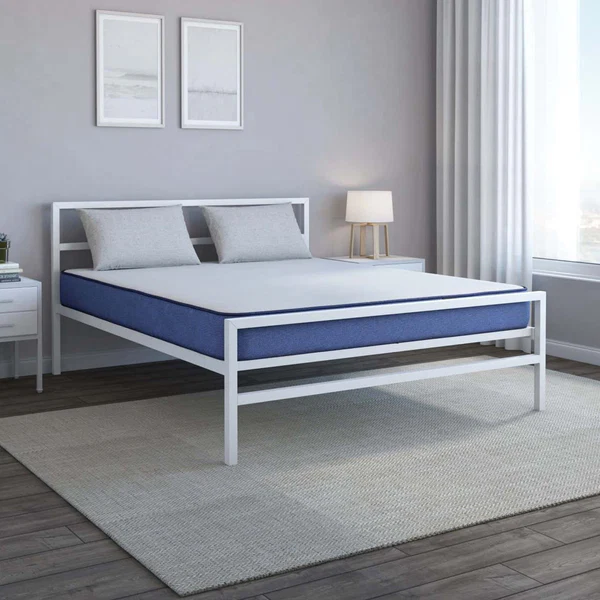
Sleeping positions influence how much surface area a person needs. Those who move frequently during sleep may appreciate a wider bed, while individuals who remain relatively still might feel comfortable with a smaller option.
When comparing dimensions and mattress proportions, exploring https://www.robuust.com/pages/wat-is-een-goed-bed can provide additional inspiration for understanding bed comfort and making an informed choice.
Consider these useful points:
- Select enough width for unrestricted movement.
- Check the length to ensure adequate legroom.
- Allow couples sufficient personal sleeping space.
- Choose a supportive mattress that complements the frame.
- Prioritize comfort for consistent nightly relaxation.
Match Bed Size With Lifestyle
Everyday routines can influence the most suitable bed dimensions. A bed may serve as a peaceful retreat for reading, resting, or enjoying quiet moments before sleep.
- Choose flexible dimensions that accommodate changing needs.
- Consider guest arrangements when selecting an additional bed.
- Evaluate storage requirements before choosing a frame.
- Look for designs that complement existing bedroom furniture.
- Balance sleeping comfort with practical household needs.
Create a Relaxing Bedroom Environment
The right bed size works best when paired with thoughtful bedroom styling. Coordinated bedding, soft lighting, comfortable pillows, and uncluttered surroundings can enhance the overall atmosphere.
A carefully selected bed supports restful habits, improves room organization, and creates a welcoming personal retreat. By balancing dimensions, comfort preferences, and available space, anyone can choose a bed that encourages relaxation and supports everyday well-being.